Wednesday, November 26, 2025
How to Grow Roses In The Pacific Northwest
Est Reading Time : 9 min(s)
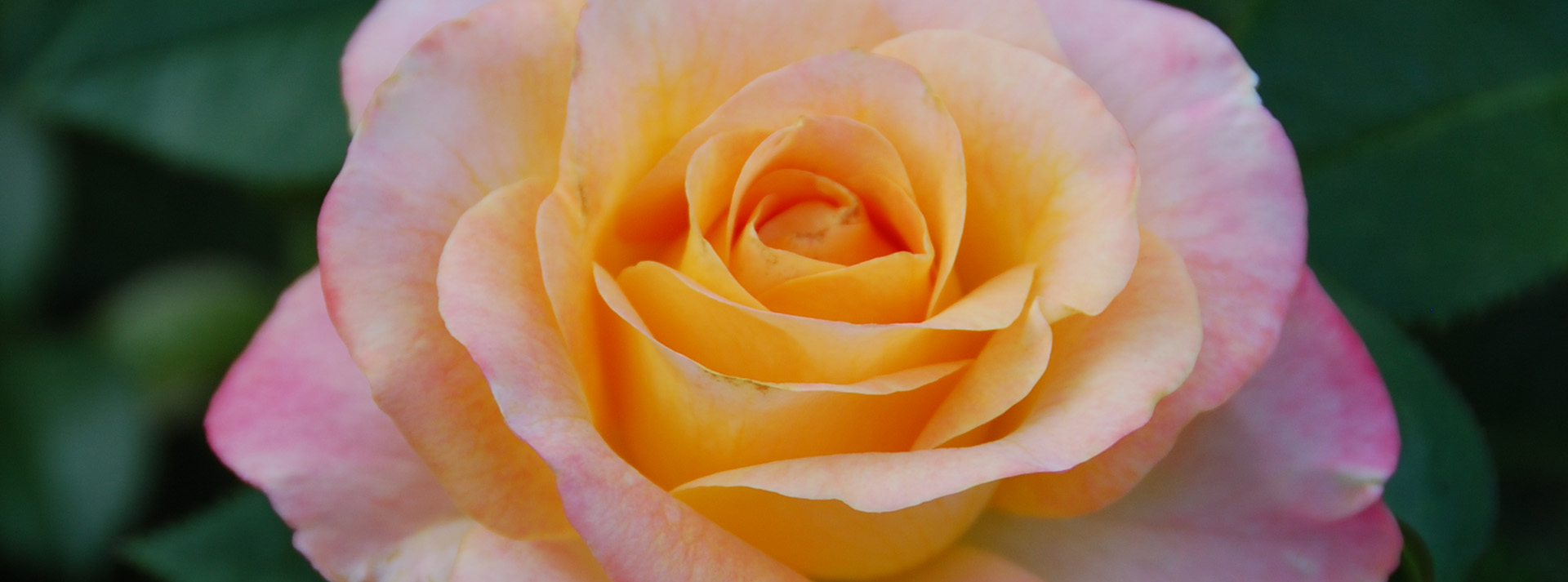
Roses have fascinated gardeners for centuries, and for new gardeners in the Pacific Northwest, they are both an attainable and deeply rewarding choice. Despite their reputation for being fussy, roses are resilient, long-lived shrubs that flourish beautifully in our mild coastal climate once you understand their needs. This introductory guide will walk you through the main rose types, ideal planting conditions, essential care practices, and the most common challenges you may encounter along the way.
Whether you’re drawn to the timeless charm of heirloom roses, the lush blooms of English roses like David Austin, or the repeat-flowering modern varieties such as hybrid teas and floribundas, each group offers something special. With the right information and a little confidence, you can enjoy months of colour, fragrance, and structure in your garden.
Understanding the Main Types of Roses
Roses come in several broad categories, each with distinct characteristics. Knowing these differences helps you choose varieties that fit your garden style and maintenance comfort level.
Heirloom or Old Garden Roses
Heirloom roses are the predecessors of modern hybrids, known for outstanding fragrance, graceful shapes, and excellent disease resistance. Most bloom once per season, usually in early summer, but their charm and reliability make them long-time favourites in Pacific Northwest gardens.
English Roses (such as David Austin)
English roses were bred to capture the fragrance and form of old roses while offering the repeat-blooming habit of modern types. They are full, romantic, and often strongly scented. David Austin varieties are especially popular, fitting beautifully into cottage-style plantings and mixed garden borders.
Modern Roses: Hybrid Teas, Floribundas, and Grandifloras
Hybrid Teas offer classic long-stemmed blooms ideal for cutting gardens. Floribundas bloom in clusters, producing abundant colour throughout the season. Grandifloras cross the strengths of both types, producing elegant blooms on structured, upright plants. These modern roses typically bloom from late spring until frost.
Choosing the Right Planting Location
Roses adapt well to the Pacific Northwest, but thoughtful placement gives them their best chance to thrive. Sunlight, soil quality, and airflow all make a meaningful difference.
Sunlight
Roses need at least six hours of direct sun per day. Morning sun is ideal because it dries dew from the leaves, helping to prevent fungal diseases that are common in our moist climate.
Soil
Plant roses in rich, well-drained soil amended with compost. A pH of 6.0 to 7.0 is preferred. In heavier clay soils, adding organic matter improves drainage and root development.
Air Circulation
Good airflow is essential. Allow enough space between plants so they can grow without trapping moisture, which helps minimize fungal issues such as black spot and powdery mildew.
Planting Your Roses
Proper planting gives your roses an excellent foundation. Whether you’re planting bare-root roses in early spring or potted roses later in the season, preparation matters.
How to Plant
Dig a hole twice as wide as the root ball and loosen the surrounding soil. Blend compost into the native soil before backfilling. In the Metro Vancouver region, position the graft union at or slightly above soil level. Water deeply after planting to settle the soil.
Mulching
Apply a two- to three-inch layer of mulch to conserve moisture and regulate soil temperature. Keep mulch a few centimetres away from the stems to prevent rot.
Basic Rose Care
Watering
Roses prefer deep, infrequent watering. A weekly deep soak during dry months encourages strong root systems. Water at the base of the plant to keep foliage dry and disease pressure low.
Fertilizing
Begin fertilizing in early spring once new growth starts. Use a balanced rose fertilizer on established plants. For new plants, use bonemeal in the planting hole and/or water using liquid transplant fertilizer. Feed every four to six weeks until mid-summer, then stop so new growth can harden off before fall.
Pruning
Prune roses in late winter or early spring, removing dead or crossing branches first. Open the centre of the plant to improve airflow, and cut back to outward-facing buds. Roses respond well to pruning and will push strong new growth from healthy wood.
Common Challenges and Solutions
Black Spot
Black spot is one of the most common rose diseases in the Pacific Northwest. Improve airflow, avoid overhead watering, and remove affected leaves. Preventative fungicidal sprays can be helpful during wet stretches.
Powdery Mildew
This white, dusty fungus thrives during warm, dry periods. Ensure adequate spacing between plants and water early in the day. Removing heavily affected leaves helps reduce spread.
Aphids
Aphids cluster on tender new growth. Knock them off with a strong spray of water or use insecticidal soap. Beneficial insects such as ladybugs help keep populations under control.
Winter Damage
Most roses handle our Zone 7–8 winters well, but a layer of mulch around the base insulates roots against freeze-thaw cycles. Avoid heavy pruning in fall to prevent stimulating new growth before winter.
Final Thoughts
Roses reward gardeners with beauty, fragrance, and structure throughout the growing season. With thoughtful placement, consistent care, and an understanding of common problems, even beginners can enjoy vigorous, long-lasting plants in the Pacific Northwest. Whether you prefer the nostalgic charm of heirloom roses, the lush elegance of English varieties, or the bold colour of modern hybrids, there is a rose perfectly suited to your garden.
If you’re ready to begin your rose journey, visit us at Art’s Nursery Garden & Home. Our team is here to help you choose the right varieties and offer guidance for a successful growing season.
Updated: Tuesday, December 2, 2025
You Might Also Like These Posts